


This week a simple question blew up on X: “Saving for a campervan, realistically how much do i need”. It pulled in 55 replies, and the answers ran from “a few grand” all the way to “70k”. One owner said to get one you can stand up in. Another bought a plain panel van and converted it themselves.
Here’s the thing: every one of those answers can be right. What a campervan costs depends on what you want it to do, how handy you are with a drill, and how much you’re willing to spend after you’ve bought it. So rather than give you one magic number, this guide walks through the real budget bands, the running costs that catch people out, and what to look for when you go to view one.
We’re a VW community at heart, but everything here applies whether you’re eyeing up a classic Type 2, a modern Transporter, a Transit, a Trafic or anything else you can sleep in. All welcome.
A quick note before we start: the prices below come from the sources linked, and some were published a while ago. Prices move, so use them as a starting point and check current adverts before you set your budget.
Start with how you’ll actually use it
Before you look at a single advert, have an honest think about how you’ll use the van. It’ll save you more money than any haggling will.
- Who’s coming? Just you, a couple, or a family with kids and a dog? The Camping and Caravanning Club suggests thinking about how many people will travel, who sleeps where and whether they can travel in seats designed for travel.
- Weekends or long trips? Festival weekends and short breaks need far less than a fortnight touring Scotland.
- Will it be your everyday vehicle too? A smaller van is easier to park, fits in more car parks and is easier to live with day to day.
- When will you use it? If you fancy winter trips, insulation and heating matter a lot more.
- Do you need to stand up? This is the “get one you can stand up in” advice from the X thread, and it’s a fair point. The Caravan and Motorhome Club notes that a fixed-roof conversion means no standing room, an elevating (pop-top) roof gives you standing room, and a high top generally gives around 2m of headroom. The flip side is that the Camping and Caravanning Club points out that elevating roofs keep the van low enough for car parks with height barriers.
Write a short list of must-haves and nice-to-haves. Bed layout, a sink with running water, a portable loo, swivel cab seats: decide what really matters before you fall for a shiny paint job.
How much does a campervan cost in the UK? The three budget bands
Band 1: DIY panel van conversion
This is the “buy a van and do it yourself” route from the X thread, and it can be the cheapest way in, if you have the time, the skills and the patience.
- The van itself. What Car? says you can spend as little as £1,000 for a used small van, or much more for a newer one.
- The conversion. What Car? also says that even if you do all the work yourself, a conversion with a bed, storage, a sink with running water and gas for cooking will come in at a few thousand pounds minimum, and that’s without the van, a pop-top roof, a toilet or a shower. A pop-top roof alone is around £2,500, plus about £1,000 to fit.
- Real-world examples. In a Practical Motorhome build series, the writer budgeted around £2,000 for the conversion and paid £6,000 for a used Renault Master, with second-hand fittings keeping costs down. That was back in 2014, so expect to pay more today. A more recent Practical Motorhome feature covered a fully kitted-out DIY minibus conversion that came to just over £20,000, with the electrics alone costing £4,300.
So a DIY build can be anything from a basic budget weekender to a full-spec van costing as much as a professional conversion. The difference is mostly what you put in it.
Band 2: An older, ready-converted van
For a lot of first-time buyers this is the sweet spot: someone else has done the build, and you can get out and use it straight away.
- The Guardian, quoting AutoTrader, says you can get a used campervan for under £10,000.
- Its examples: a 2001 Mazda Bongo conversion with a pop-top that sleeps four at around £5,000 to £7,000, and a similar 2001 VW Transporter conversion at around £16,000 to £18,000.
In that example the VW costs far more than the Bongo of the same age, so it pays to compare makes as well as years. Older vans also need more checking over (see the checklist below), and if you’re looking at a VW in particular, our guides on buying a VW T4 and buying a VW T5 cover what to look out for.
Band 3: A newer professional conversion (or brand new)
This is where the “70k” answers come from.
- The same Guardian piece quotes AutoTrader saying a 2017 Transporter conversion would probably cost about £30,000.
- New campervans can cost from around £40,000 for an entry-level model to more than £100,000 at the top end.
- If you buy a van and pay a converter to do the work, What Car? says you can easily spend at least £10,000 on a basic professional conversion, or £30,000 or more for an extensive one, on top of the van.
A tip on timing from the Camping and Caravanning Club: prices tend to be highest just before Easter, when the touring season starts, and generally lower at the end of the season. If you buy in autumn or winter, remember to budget for storage over the colder months.
The hidden and running costs nobody mentions in the advert
The price on the advert is only the start. These are the costs that come round every year.
Insurance
You’ll need a proper campervan policy. The Guardian notes you can’t just drive it under your existing car insurance, and quotes can be as little as £250 or more than £1,000 depending on the van’s value, where you live and keep it, your age, claims history and mileage.
Be completely upfront about whether it’s a self-build or a professional conversion. The Caravan and Motorhome Club says you’ll need to declare modifications that affect the engine, brakes, transmission or performance, and that some providers need the vehicle to be registered as a campervan or motorhome with the DVLA before they’ll offer specialist cover. Best bet is to speak to Howden Modified Van Insurance. Quote DUBBED OUT VW COMMUNITY and they will give you a special discount.

Vehicle tax
How much you pay depends on how the van is registered and when. On GOV.UK’s motorhome tax rates, a private/light goods motorhome up to 3,500kg costs £230 a year (engine up to 1,549cc) or £375 a year (over 1,549cc). Some motorhomes registered between 1 April 2017 and 11 March 2020 pay a different rate. Check the logbook and use the GOV.UK tables for the exact figure on any van you’re thinking of buying.
Got your eye on a proper classic? GOV.UK says that if your vehicle was built before 1 January 1986, you can stop paying vehicle tax from 1 April 2026. You still have to apply for the exemption.
MOT
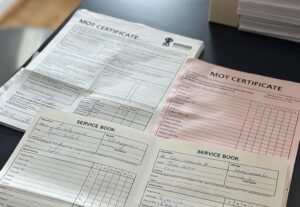
Campervans need an MOT from three years old. The maximum MOT fee for a motor caravan is £54.85. Vehicles built or first registered more than 40 years ago don’t need an MOT, as long as no substantial changes have been made, but you still have to keep them roadworthy.
Servicing (two kinds)
There are two separate jobs here. The engine side (the “base vehicle”) needs servicing like any van. The Caravan and Motorhome Club points out that this is a separate job from the habitation service and is often done by a commercial vehicle specialist. Ask about the cambelt on any van you view. Practical Motorhome warns that a snapped cambelt can write the engine off.
Habitation and gas checks
A habitation check covers the “living” side of the van. Members of the Approved Workshop Scheme test the gas system and appliances for leaks and safe operation, check the electrics, water system, heating and ventilation, look for damp around seals and joints, and test smoke and carbon monoxide alarms.
It isn’t a legal requirement, but the Caravan and Motorhome Club recommends it and says a habitation service typically costs between £200 and £350 and takes three to four hours. If your van has a mains hook-up system, the Camping and Caravanning Club says an electrical installation condition report (EICR) should be done at least every three years, at extra cost.
Breakdown cover
Don’t assume your car breakdown cover will do. The RAC says its standard UK cover doesn’t cover vehicles over 3.5 tonnes, 6.4 metres long or 2.55 metres wide, and that most providers have similar limits. Check your van’s size and weight against the policy.
Your driving licence
While we’re on weight: if you passed your test on or after 1 January 1997, a standard category B licence lets you drive vehicles up to 3,500kg maximum authorised mass. Most campervans are well under that, but larger motorhomes may need C1. It’s worth checking the plate on the van before you buy.
Campsite fees, storage and fuel
Pitch prices vary a lot depending on the site, the area and the time of year, so look up a few sites you’d actually use and build those into your budget. If you can’t keep the van on your drive, add the cost of storage. And remember fuel, which depends entirely on the van and how far you go. Setting the satnav to avoid motorways and tolls is also a nice way to slow down and enjoy the journey.
The kit
The Camping and Caravanning Club reminds new owners they’ll probably need items like gas cylinders and levelling ramps. Add bedding, a hook-up lead, a portable loo, chairs, and maybe an awning. Our round-up of popular awnings for a VW campervan and our guide to campervan and camping showers are good starting points. Then there’s the fun bit: cooking. Try our top Ridge Monkey recipes and Cadac camping recipes once you’re set up.
Finally, keep a contingency fund. The Guardian piece recommends a rainy day fund for servicing and repairs.
Ready-converted vs DIY: which is right for you?
[IMAGE PLACEHOLDER: A panel van mid-conversion with insulation and battens going in, from a community member’s build shared in the Dubbed Out Facebook group (with permission) | alt text: Inside a panel van mid-way through a DIY campervan conversion with insulation fitted]
Buying ready-converted
- You can use it straight away.
- You can see and test the layout before you pay.
- Buying from a specialist dealer gives you more legal rights than a private sale. The Camping and Caravanning Club notes dealers often offer a warranty of three to 12 months on second-hand vehicles.
- The downside: you pay for someone else’s labour, and you’re living with their choices.
Converting it yourself
- You design it around how you’ll actually use it.
- You can spread the cost over time.
- The downside: it takes time, tools and skill, and the costs creep up. The electrics are often the most expensive part, as that Practical Motorhome minibus build shows. Gas and mains electrics are safety-critical, so get them done or checked by someone qualified.
- If you want it officially recognised as a motor caravan, DVLA has set rules. GOV.UK’s guide to converting a vehicle into a motor caravan lists the fixed features needed inside (seats and table, sleeping area, cooking and storage) and the external features DVLA looks for before changing the body type on your logbook. Interestingly, a pop-top roof doesn’t count as a high top for this.
There’s a middle ground too. Some owners buy a van with a basic conversion and improve it over time, or pay a professional for the tricky parts (like fitting a pop-top roof) and do the rest themselves.
Thinking of buying a self-build from someone else? The Camping and Caravanning Club advises that a van that isn’t from a well-known converter should come with an engineer’s report showing the gas and electrical installations meet the required safety standards.
Viewing checklist: green flags and red flags

Take this list with you, take a friend, and don’t let anyone rush you.
Paperwork
- Full service history for both the base vehicle and the conversion. The Caravan and Motorhome Club says that if there isn’t a detailed history of services and MOTs, think twice before buying.
- MOT history. Pop the reg into GOV.UK’s MOT history checker before you go. Practical Motorhome flags advisories about rust as a red flag, and suggests comparing the recorded mileage with what’s on the dash.
- Habitation and gas check reports. Recent ones are a great sign.
- Logbook (V5C). If you buy privately, the address where you view should match the one on the V5C. The Camping and Caravanning Club says never to view at somewhere like a motorway service station. Run a finance check too.
Damp and soft floors
Damp is the big one, and it’s expensive to put right.
- The Caravan and Motorhome Club says not to buy a used motorhome without having it checked with a moisture meter.
- Look under the sink and around the water pump for leaks, and check under the mattresses and cushions for staining.
- Practical Motorhome says a wet dog smell and staining on interior panels can be tell-tale signs.
- Press on the floor all over, especially by the door, under the sink and near any windows. A spongy or soft floor needs a closer look by an expert.
Body, tyres and test drive
- View in daylight, and check for rust, especially underneath, around the sills and wheel arches.
- Check tyre age, not just tread. The Caravan and Motorhome Club gives five years as the maximum safe life whatever the mileage.
- Take it for a proper test drive and listen for knocks and rattles. Our campervan vehicle checks list is handy here too.
- Not sure? Get it inspected. Practical Motorhome suggests making the sale conditional on a full mechanical inspection.
Layout: sit in it, lie in it, “cook” in it
This is the bit people skip, and it’s the bit you live with.
- Make the bed up. Lie on it. Is it long enough?
- Go through the motions of cooking and washing up. The Camping and Caravanning Club recommends running through the bed-making, kitchen and washroom even if you can’t use them for real.
- Sit in every seat, and check how many have proper seat belts for travelling.
- Test the gas appliances. The Caravan and Motorhome Club suggests taking an LPG cylinder with you if you need to.
- Lift the pop-top if it has one. Does it go up and down smoothly, and is the canvas sound?
Green flags: a thick folder of receipts, recent habitation and gas check reports, a dry-smelling interior, a solid floor, a seller happy for you to take your time and get it inspected.
Red flags: no paperwork, “the damp meter’s at home”, a soft floor, fresh sealant everywhere, and anyone pushing you to decide today.
Try before you buy: rent one first
If you’re not sure what layout suits you, hire one for a weekend first. The Camping and Caravanning Club recommends hiring before you buy to get a taste of touring and work out what layout you want, and it keeps a directory of motorhome and campervan hire companies.
A weekend away tells you more than any advert: whether you want a fixed bed or one that folds out of the seats, whether you need to stand up inside, and whether your family can share the space happily. If you need some trip ideas for that first weekend, have a look at our campervan guide to Pembrokeshire, the Lake District or the North Yorkshire coast.
Ask the community before you hand over the cash
The best bit about the campervan world is the people. If you’re weighing up a van, post it in the Dubbed Out Facebook group. It’s full of owners of every kind of van, from classic VWs to modern conversions and Transits, who are happy to share what they’ve learned and what to look out for on a particular model.
You can also follow along on our Facebook page, Instagram, TikTok and X.
And once you’ve got your van, come and see what it’s all about. Dubbed Out Festival 2027 is on Thursday 29 July to Sunday 1 August 2027 at the Royal Cheshire Showground. It’s family-friendly and every make and model is welcome. If you’d like to hear first when news drops, the newsletter sign-up is at the bottom of the festival information page. Before you head off, our festival essentials checklist will help you pack.

FAQ: buying your first campervan
How much do I need to save for my first campervan?
There’s no single answer. The Guardian (quoting AutoTrader) says you can find a used campervan for under £10,000, a 2017 VW Transporter conversion is around £30,000, and new campervans run from about £40,000 to more than £85,000. On top of the purchase price, budget for insurance, tax, MOT, servicing, a habitation check, breakdown cover and kit.
Can I drive a campervan on a normal car licence?
In most cases, yes. If you passed your test on or after 1 January 1997, category B lets you drive vehicles up to 3,500kg maximum authorised mass. Most campervans are under that, but check the van’s plate, especially on larger motorhomes.
Is a habitation check a legal requirement?
No. The Caravan and Motorhome Club says it isn’t legally required but recommends it, and it’s often a condition of a manufacturer’s warranty. It typically costs £200 to £350.
Is it cheaper to convert a van myself?
It can be, but not always. What Car? says even a DIY conversion with a bed, storage, sink and gas cooking costs a few thousand pounds minimum before you buy the van, and fully kitted-out self-builds can pass £20,000. Factor in your time, tools and getting gas and electrics done safely.
Do I need special insurance for a campervan?
Yes. You’ll need a dedicated campervan or motorhome policy. Always tell your insurer whether it’s a self-build or professional conversion, and declare any modifications to the engine, brakes, transmission or performance.
Do classic campervans need an MOT or tax?
Vehicles built or first registered more than 40 years ago don’t need an MOT if no substantial changes have been made, and vehicles built before 1 January 1986 can stop paying vehicle tax from 1 April 2026. You need to apply for the tax exemption, and the van must still be kept roadworthy.