

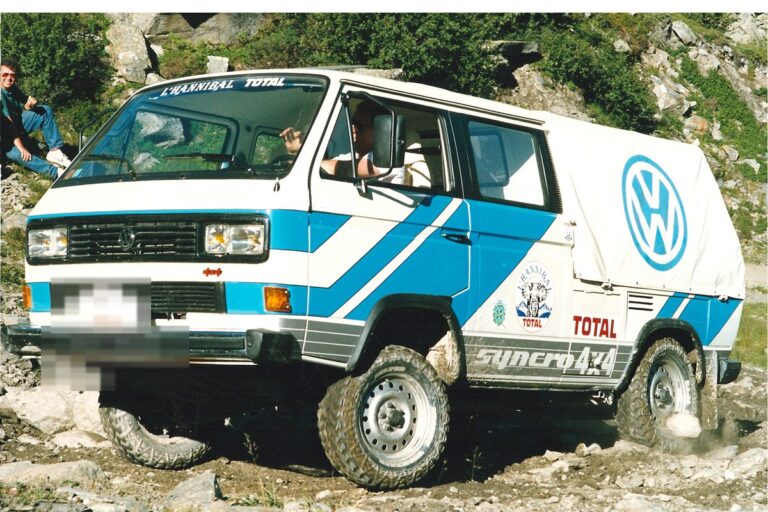
In the UK we call it a T25. Most of the world says T3. Everyone ends up calling it a Wedge. This VW T25 buying guide covers the last rear-engined Transporter, between the Bay and the T4. See our splitscreen history, our T4 buying guide and our T5 buying guide.
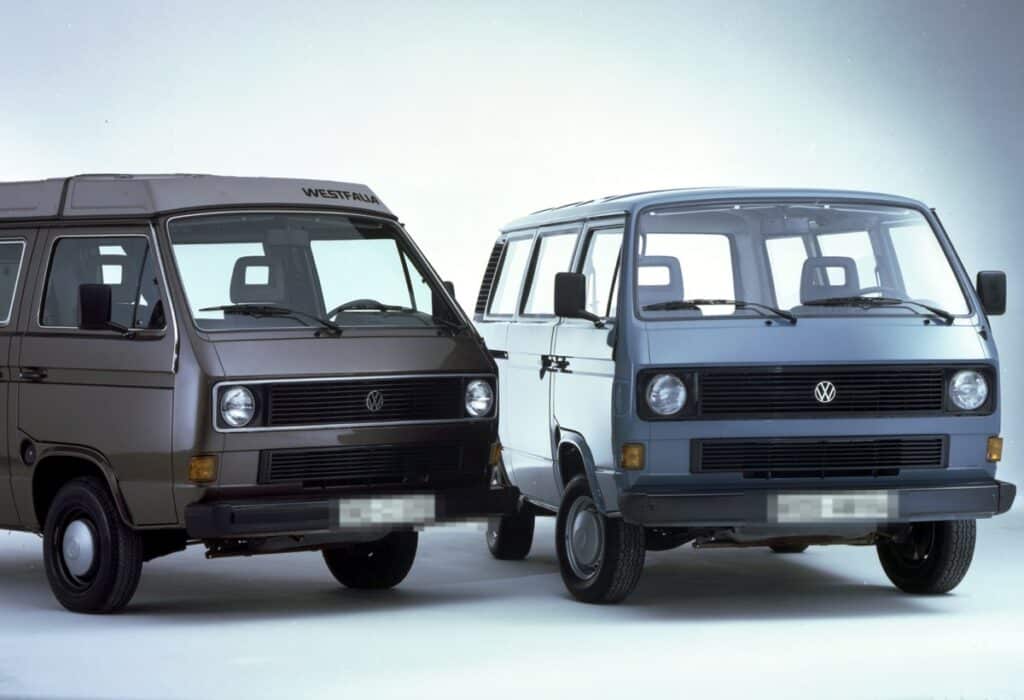
T25 at a glance
The T3 is the third-generation Transporter. Volkswagen launched it in 1979, with production in Hanover starting that spring. In the UK it became known as the T25. The engine stays at the back, but the body is squarer and wider than a Bay.
Volkswagen says it also brought the first factory California camper and the first Multivan. Four-wheel-drive Syncro models followed in 1985. The last T3 left Hanover in 1990. Syncro production carried on at the Steyr-Daimler-Puch plant in Graz until 1992. The South African factory kept building them into 2002. Not every body style came to the UK, so treat a rare import with extra care.
VW T25 buying guide: what they cost now
The honest reason a lot of us still look at a T25 is the money. Hagerty UK, writing in July 2026, says splitscreens still demand the highest values. T25s tend to be cheaper still. They can be a way in without a Split or Bay budget.
These are asking prices from live UK ads we opened on 11 November 2026, not sold prices. Prices vary.
Just Kampers had a 1989 2.1-litre van at £4,250. It has an MOT, plus rust at the window edges and roof work still to do. Usable campers that day sat at about £8,500 to £15,000. A 1988 1.6 turbodiesel high-top was £8,425 on Car & Classic. A 1990 Holdsworth Vision was £9,000. A 1991 1.9 camper was £10,995. A 1982 Westfalia pop-top was £12,500. A restored 1987 high-top was up at £18,995.
On the same Just Kampers page, restored splitscreens sat at about £35,000 to £39,000. Usable Bays ran from just under £10,000 up to £27,500 for a rebuilt import. Some late Bays overlap T25 money. A tidy Split usually does not.
We did not see a live, unfinished wreck on the day we looked. A Car & Classic Autohomes project sat at £1,595 in July 2026, but that advert is no longer live. Rough projects still turn up. You have to catch them, and bodywork can eat the saving.
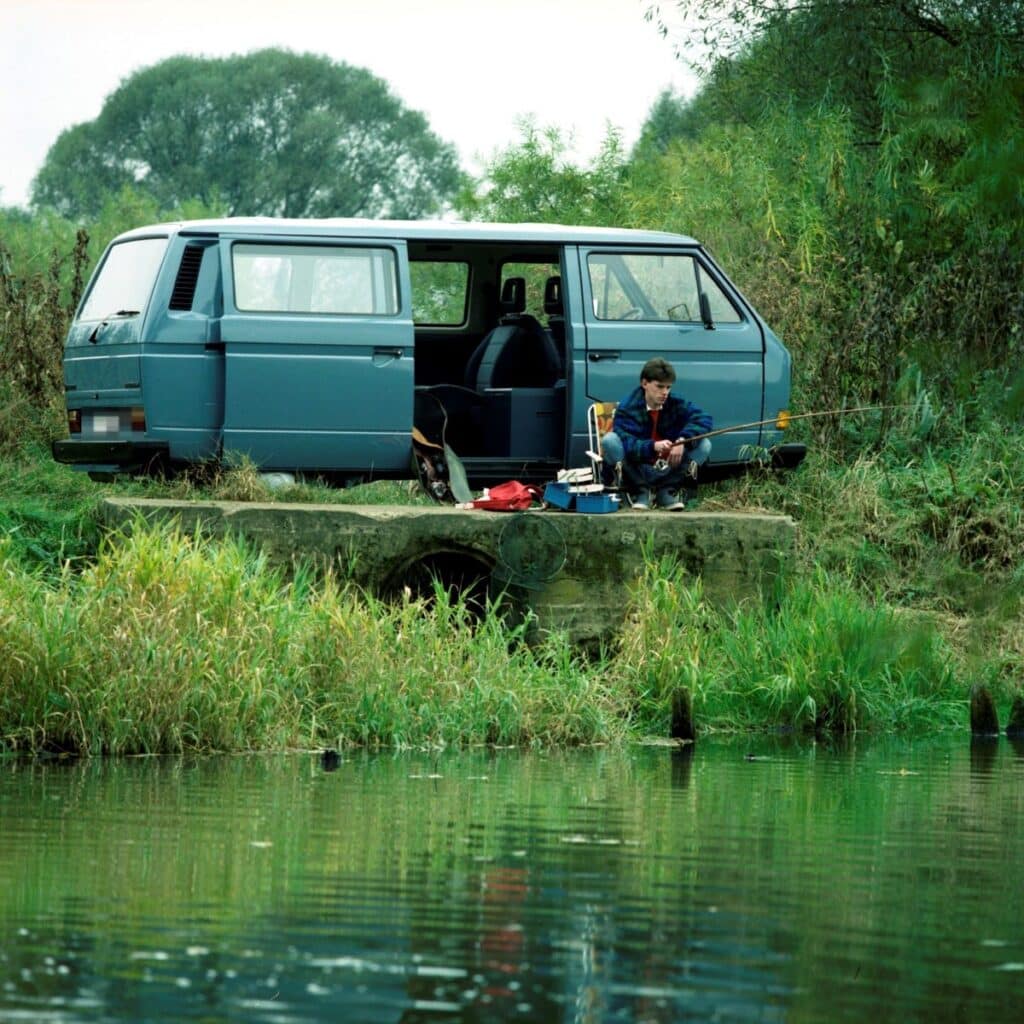
The different styles
Factory and official converters matter, because they built the furniture, roof and wiring for this shell. Westfalia built the Joker, and from 1988 the factory California arrived on the T3. In the UK, Volkswagen also approved Devon, Auto-Sleepers, Autohomes, Richard Holdsworth and Danbury. Other conversions exist, some very good, some not. Buy on the quality of the work, not just the badge.
Roofs split into three camps. A pop-top keeps the van lower on the road and can add a roof bed. A high-top gives standing room all the time, but you will clip more car parks. A fixed roof is simpler, and many panel vans stay that way until someone converts them.
You will also find panel vans, windowed Kombis and passenger models. The Caravelle name arrived in 1981, as a more comfortable people-carrier. The Multivan followed in 1985, with a more flexible living layout. Converted panel vans can work well, but look closely at how the windows were cut. If the glass sits flush, not in a factory recess, it started life as a van.
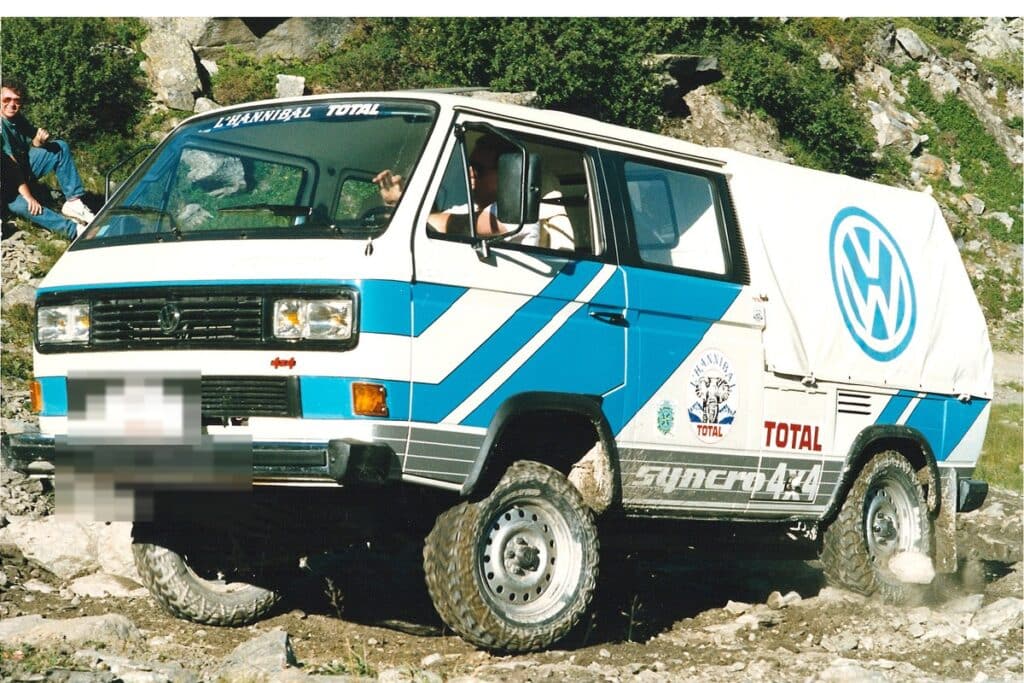
The Syncro, and the price premium
Syncro is Volkswagen’s four-wheel-drive T3, built with Steyr-Daimler-Puch in Austria from 1985. Official figures put production at 43,468. They are capable, but they share the usual rust and engine jobs, often with harder use as well.
The premium is real. Just Kampers listed a 1990 right-hand-drive Syncro camper/day van at £28,500 on 9 November 2026. That is a lot more than the two-wheel-drive campers we saw the same day. This one is a rust-free South African import with a long recent-work list. It is not a typical tired example, so budget for the premium before you fall for it.
Air-cooled, water-cooled or diesel?
Early vans are air-cooled petrol, in the same family as the Bay. Volkswagen quotes 50 to 70 PS at launch. They have charm, but they are slow and thirsty. From 1981 there was a water-cooled diesel in the tail, also about 50 PS. Water-cooled “wasserboxer” petrol engines followed in 1982, later growing to as much as 112 PS. In 1985 came catalytic converters, a turbodiesel, and the Syncro.
People often hunt for the later 2.1 petrol or the 1.6 turbodiesel. Both are happier on a modern road. On a wasserboxer, coolant condition really matters. The head bolts pass through a water jacket, and stale antifreeze can let them corrode. If the gasket then leaks, you may need a replacement engine. Ask when the coolant was last changed, and look for tell-tale moisture around the seal.
Engine swaps are common, including later VW diesels and Subaru flat-fours. Say so up front, then get a converted engine inspected. We will not name names. Pick someone who knows these vans.
Rust is the real decision
Body condition matters more than a shiny interior. The T25’s seams are the classic weak point. Factory sealant dries and cracks, water sits in the joins, and the metal around them rots. Look along every panel join. If a seam has vanished under filler or a fat weld, ask what work took place, and why.
Also check the gutters, window surrounds, front arches, cab step and the bottom of the sliding door. Rear arches are double-seamed and awkward to repair well. Climb underneath and inspect the top of the fuel tank, which can rust. Buy the solid one.
Camper or panel van?
A good camper is a joy, and a damp one is a money pit. If it has a pop-top, raise it and check the canvas or sides. Look at the hinges, and at the seal when it is down. High-tops need a close look at the gutter and any cracks in the glass-fibre. Water that gets in will find the floors.
Try the fridge, hob, pump, hook-up and heater. Ask how the leisure battery charges. For more on camper paperwork, see our DVLA motor caravan guide and our insurance guide.
Before you view: the paperwork
Check the MOT history on GOV.UK and run a DVLA vehicle enquiry before you travel. Read every advisory, not just the pass. Ask for service history, and for invoices if the van has already had welding or paint. Fresh shine can hide seam rash. Take our vehicle checks guide as well. Our guide to buying your first campervan covers running costs.
On the drive: a viewing checklist
Engine and cooling
Start it from cold if you can. Listen for knocks, and watch for blue or white smoke. On water-cooled vans, look for coolant leaks at the front radiator, along the long pipes, and at the engine. Check that the heater actually blows warm.
Body and underside
Walk the seams, arches, step, gutters and door bottoms with a torch. Look under mats for wet floors, and check the sliding door runners. Take a keen eye to fresh paint.
Camper bits
Raise the roof. Test the water, gas and electrics. Make sure the bed actually folds, and that the belts work. A pretty interior is worthless if the floor is soft.
Test drive and an independent inspection
On the move, check every gear, the brakes, and any knocks from the front wishbones. Then get an independent inspection before you pay. Do not use a friend of the seller. We will not name a garage. Find someone who knows these vans, and who will put the findings in writing.
Bottom line
A T25 is still one of the more affordable ways into a classic VW camper. That is especially true next to a Split or a tidy Bay. Buy the body first, then the engine, then the kit. Match the style to how you camp. Get the history, get it inspected, and tell the insurer.
Got a T25 in the family? Tell us what you wish you had checked, in the Dubbed Out Facebook community. For early news, join the newsletter in the footer of dubbedout.co.uk. For early ticket access, use dubbedoutfestival.co.uk. Tickets go on sale through Ticket Tent on 31 January 2027.
