

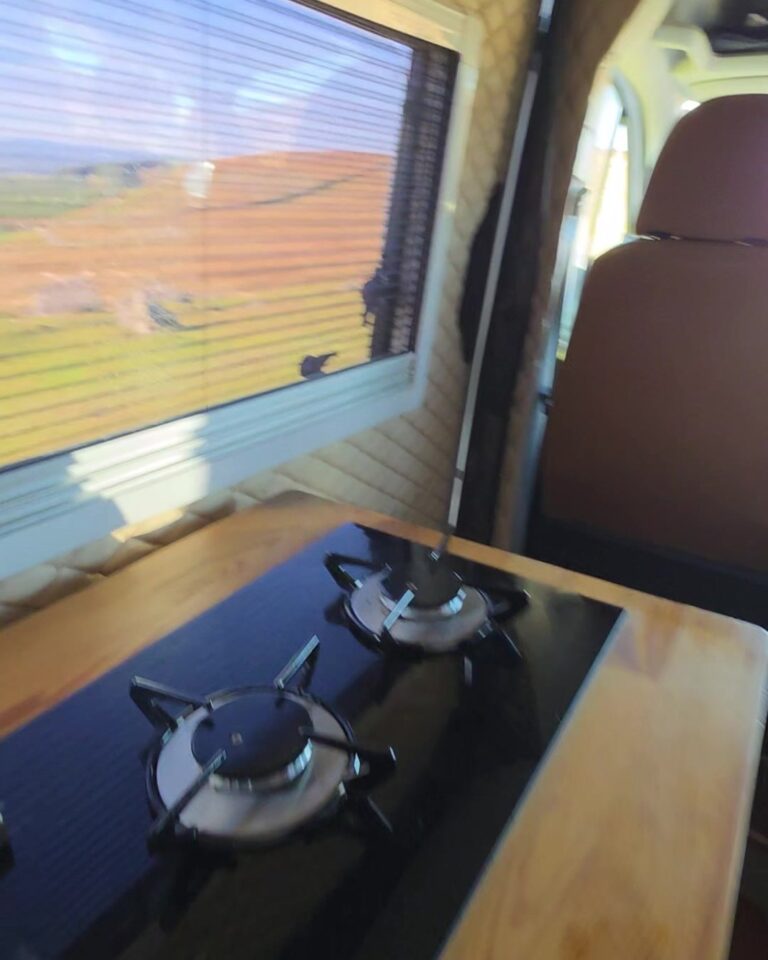
The MOT looks at the driving bit. It does not look at the hob, the fridge, the heater or the gas locker. That’s what a campervan habitation check is for. It’s the service for the bit you actually live in. Book one once a year, even if the van only comes out now and then. Here’s what it covers, and who should work on the gas. For cold-weather trips, see our winter campervan camping guide.
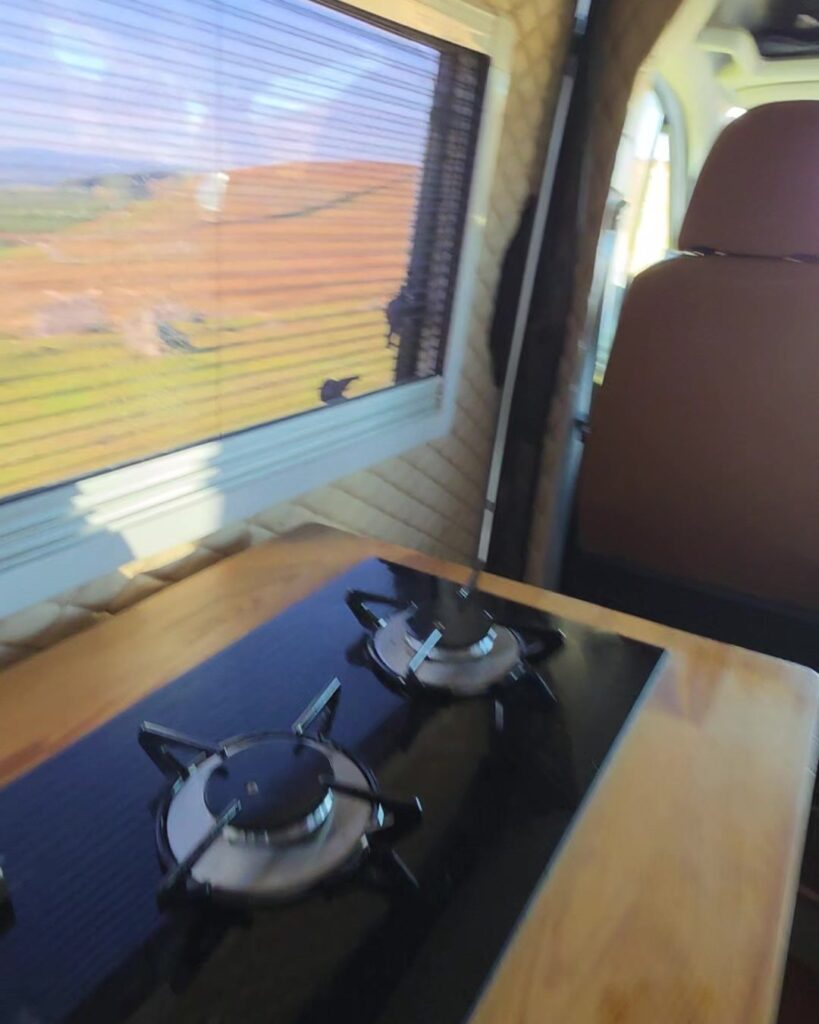
What a campervan habitation check actually covers
Think of it as an MOT for the living space, minus the legal sticker on the windscreen. The Approved Workshop Scheme spells out the job. The NCC and both major Clubs back it. A technician looks at the gas, the electrics, the water, the heating and ventilation, the seals, and any smoke or carbon monoxide alarm in the van.
They also do a damp test and write the readings on a separate report. Our guide to campervan condensation, damp and leaks already walks through those numbers.
It does not replace a service on the base vehicle. AWS is clear about that. Brakes, belts and the bit with the steering wheel still need their own appointment. Some workshops will do both if you ask.
On the official motorhome check sheet, the gas side covers the regulator, hose and pipework, a tightness test, the tank or cylinders and the dispersal vents. It also includes a run of every appliance, including the flame failure devices. The electrics side covers 230V and 12V, the RCD, earth bonding and the leisure battery. See our campervan electrics guide for that half of the van.
One useful catch: the technician safety-checks the gas appliances, but does not service them as part of the basic job. You can ask for a full service, at extra cost.
Gas safety, hoses and who should do the work
Any work on LPG equipment needs suitably trained, qualified people, says the Camping and Caravanning Club. The gas system should get an annual check as part of the habitation service. That means a leak or tightness test and a let-by test of the main valve. The technician also checks that the regulator locks out at the right pressure, and runs the appliances.
Hoses perish. The Club says you should replace them at least every five years, and sooner if the van works hard. UK hoses carry a date of manufacture. Have a look in the locker and actually read it.
The regulator matters too, especially on an older VW. Until September 2003, butane ran at 28mbar and propane at 37mbar, each with its own regulator. Since then, standard EN 1949 has set the supply at 30mbar for both gases. Current UK-built vans should have that 30mbar figure marked in the locker. On a pre-2003 T4, don’t assume a modern 30mbar regulator is a straight swap.
Propane is the better winter gas, because butane starts to give up below about 4C. Turn the gas off at the cylinder before you travel. Keep the floor vents clear, because LPG is heavier than air and will pool if it leaks. And never use the hob as a heater. It’s a cooker, not a central heating system with a death wish.
Who can work on the gas
If you only tour in the van privately, the Gas Safety (Installation and Use) Regulations do not treat it like a rented flat. Hire it out, or run a public-facing business from it, and the picture changes. Then you need a Gas Safe engineer and a landlord gas safety record. Many Approved Workshops also hold Gas Safe accreditation, which AWS tells you to select for hire or reward.
That private-use wrinkle is not a free pass to tinker with the pipework yourself. The law may sit in one place. Your insurer, your warranty and your lungs sit in another. An Approved Workshop, independently assessed each year, is a solid place to start.
Ventilation and carbon monoxide
A habitation check looks at the fixed ventilation, both low and high, and at the rooflights. Leave those vents alone. Stuffing a sock in a floor vent because it’s draughty is a short cut with a nasty ending.
Fit a carbon monoxide alarm tested to BS EN 50291-2 and Kitemarked, plus a smoke alarm approved to BS EN 14604. The Club is blunt: an alarm is not a substitute for safe use and regular servicing. Press the test buttons, and replace the units when they expire. The AWS check sheet even has a space for those dates.
Carbon monoxide has no smell and no colour. Early signs can look like flu or food poisoning, without the temperature. The Club lists headaches, nausea, vomiting, dizziness, drowsiness and weakness, and points to the NHS for more. Get into fresh air and get help if anyone in the van feels like that.
Never bring a barbecue into the van, the awning or a tent, even when it’s cooling down. A cooling barbecue still gives off plenty of CO. The same rule covers cooking devices used as heaters. For warmth overnight, see our campervan diesel heater guide, and still keep a working CO alarm in the van.
How often, how long, and what it costs
Do it every year. AWS says even a van that only goes out a couple of times a year still needs an annual habitation service. Lack of use causes its own problems. The Club agrees. Get annual servicing from qualified experts, ideally an Approved Workshop or your supplying dealer.
How long will you be without the kettle? AWS says a standard motorhome habitation check usually takes two to four hours, depending on the van. Their FAQs put a typical motorhome service at around three. Budget a morning, not a five-minute glance.
There isn’t one official price for a full habitation check. AWS says the cost varies with the size and age of the van, your location, the workshop’s rates, and any extra repairs. For a gas safety check on its own, AWS quotes a typical caravan figure of £60 to £100, depending on location. Treat that as a ballpark, not a promise, and ask for a quote. A gas safety certificate is typically valid for 12 months.
If you’re buying a used van, ask to see the last habitation report and any gas certificates. Our guide to the cost of a first campervan covers the wider sums. A fat folder of tickets is a much nicer surprise than a hiss from the locker.
The damp test sits inside it
A damp check is not a bolt-on extra. The Club calls it a vital, integral part of an Approved Workshop service, with a separate report of moisture readings. Those readings will always sit above zero. The Club’s guidance treats anything up to 15 per cent as normal. Your workshop should talk you through anything higher.
Don’t shortcut this with a cheap meter and a hopeful prod. We already covered why those DIY readings can mislead you in the damp and condensation guide. Let the habitation check do the proper survey, and keep on top of condensation between visits.
Self-builds, older VWs and a winter lie-in
A self-build still has a living space, a gas locker and a damp path, so it still deserves a proper look. Not every workshop will take on a one-off conversion, so ring around and ask. Tell them what’s in the van, and keep the install paperwork. Your campervan insurance may also want the living arrangements to match what you declared.

Older VWs are not exempt just because they’re charming. A T4 from the early 2000s may still need the older 28mbar or 37mbar regulator set-up. Cylinders and refillable tanks also go through recertification, typically every ten years. Exchange bottles get that at the refill plant. A refillable system is your job to keep in date.
If the van is having a winter lie-in, a habitation check is a decent way to send it to sleep. Or to wake it up before the first trip. Turn the gas off, keep vents clear and test the alarms. While you’re in a locking mood, our campervan security guide is worth a once-over, gas locker included.
A quick campervan habitation check list
- Book a campervan habitation check every year, even if you barely use the van.
- Use an Approved Workshop, or another suitably qualified leisure gas specialist. Don’t DIY the pipework.
- If you hire the van out, use a Gas Safe engineer and keep a landlord gas safety record.
- Ask for a gas tightness test, a hose date check, and a written damp report.
- Replace gas hoses at least every five years, and check the regulator type on older vans.
- Fit a BS EN 50291-2 carbon monoxide alarm and a BS EN 14604 smoke alarm, and test them.
- Keep floor vents clear, turn the gas off before you travel, and never use the hob as a heater.
- Never bring a barbecue into the van or the awning, even to cool down.
- On a self-build, find a workshop that’s happy to look at a conversion, and keep the paperwork.
- If you’re buying, ask to see the last habitation report before you hand over any money.
Bottom line
A campervan habitation check is the unglamorous bit that lets you put the kettle on without crossing your fingers. It is not a legal must for most private tourers. It is still one of the smarter days you can spend on the van. Get the gas, the vents, the alarms and the damp looked at once a year, by people who do this for a living. Then enjoy the view, and leave the sock out of the floor vent.
Van safe, kettle on, weekend booked? Tickets for Dubbed Out 2027 go on sale through Ticket Tent on 31 January 2027. Newsletter sign-ups get early access. Join the newsletter for early tickets. Got a habitation-check horror story or a workshop tip that actually helped? Share it in the Dubbed Out Facebook community.
