

Why is my van sweating every cold morning? Those wet windows and clammy bedding are not a personality trait. They’re campervan condensation, and almost every UK van does it once the nights turn cold. Add a slow leak and you’ve got damp. Here’s how the moisture gets there, how to stop it, how to spot a leak, and what a damp meter reading means. For cold-weather trips, start with our winter campervan camping guide.
What causes campervan condensation?
Condensation happens when warm, moist air hits a cold surface. The air can’t hold the water, so it turns up as droplets on glass, metal and chilly corners. Your cab windows are first in the queue, because they’re usually single-glazed and get bitterly cold.
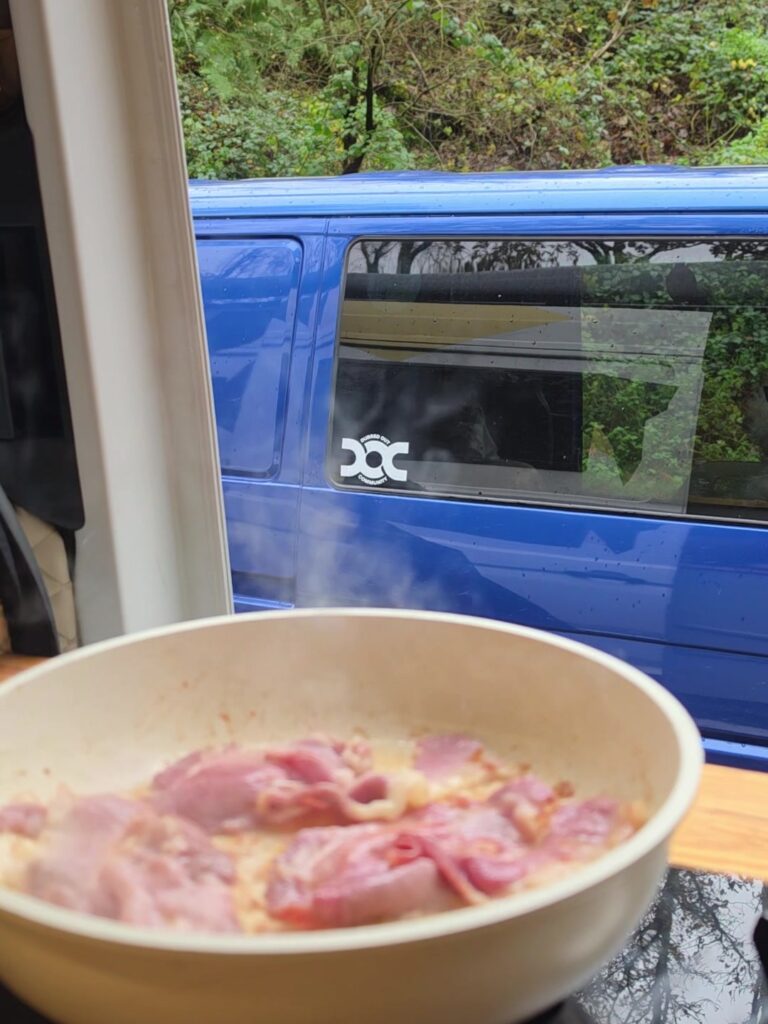
Most of that moisture is of your own making. Mid Sussex District Council lists useful figures for everyday living. One person breathing while asleep puts about 0.3 litres of water into the air. Two of you in a van overnight can manage around 0.6 litres from breathing alone. Cooking can add about 3 litres in a day in a house. Washing and drying clothes can add about 5.5 litres. In a small van, that moisture has nowhere to hide.
Wet kit is a classic culprit. Hang dripping coats and soggy dogs in the living space and the glass will be streaming by morning. The Camping and Caravanning Club says the body also gives out moisture when you’re asleep. That’s why seats and beds need a bit of air underneath them.
Heat, ventilation and those steamy windows
The Club is clear: good ventilation and heating are the best way to stop condensation becoming a problem. It feels wrong to leave a vent open on a frosty night. Closing every vent and hoping for the best is like putting a lid on a stew.
Vans built to European standards EN 1645 and EN 1646 already have fixed ventilation, even with the windows shut. The Club says that still isn’t enough when you’re cooking or washing. Crack a roof vent or a window when the kettle is on. Never block the safety vents.
Cover the cab glass
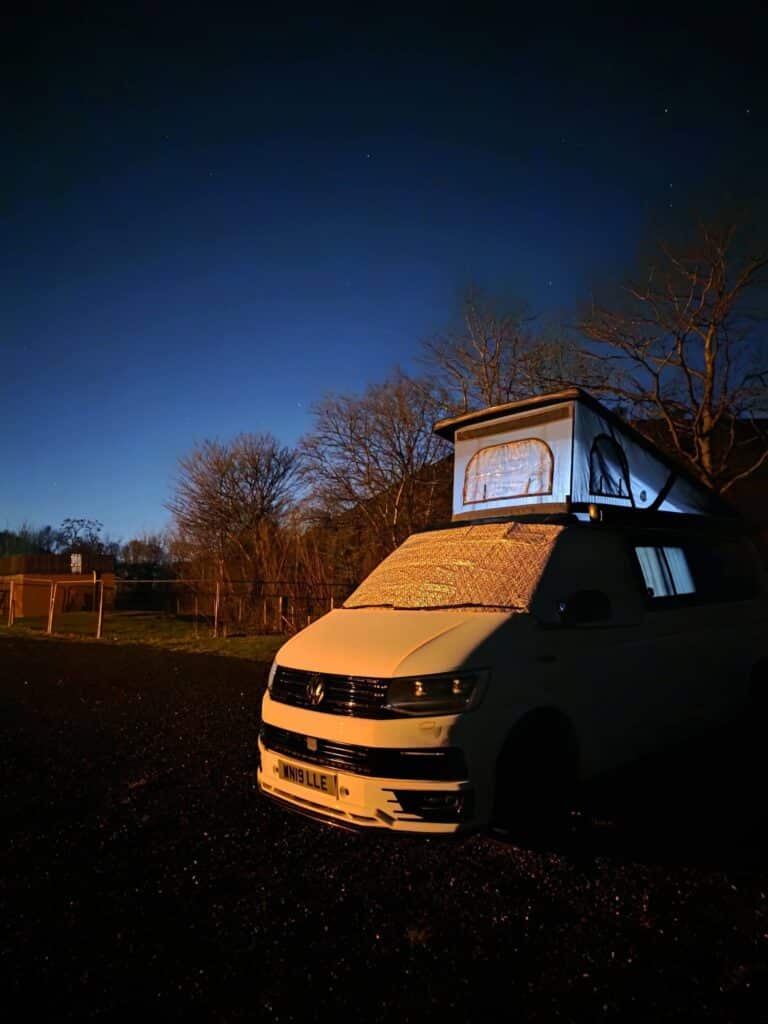
Campervans often have a big single-glazed windscreen and side windows, and they lose a great deal of heat. The Club says a snug external screen leaves the glass warmer, so you get less condensation. Internal screens are easier to fit. If they sit loosely, warm air reaches the cold glass and you get lots of condensation.
Diesel heaters versus gas that burns in the van
A little background heat helps, because warm air holds more moisture and cold walls collect the droplets. Mid Sussex says a medium-to-low level of heat throughout is better than blasting one corner.
What you heat with matters. Mid Sussex lists paraffin and flueless gas heaters as moisture sources. It also says a bottled gas heater produces about 4.55 litres of moisture from each gas cylinder. Cheshire Fire and Rescue says LPG and paraffin heaters can produce a lot of moisture. The Club says never use a gas hob as extra heating. Open a window or roof light when you cook.
A properly fitted campervan diesel heater is a different beast. It burns its fuel in a sealed chamber and sends the exhaust outside. The warmth in the van doesn’t come with a cloud of extra water. You still need ventilation, and you still need a carbon monoxide alarm. Our campervan electrics guide covers the battery.
Moisture traps and dehumidifiers
Those little tubs of moisture-absorbing crystals have their place. That place is not “keeping up with two sleeping humans in a pop-top”. The Club says absorbent crystals are not the answer when the van is in use, because of the moisture you generate and the vents.
The Caravan and Motorhome Club says an electric dehumidifier can reduce damp levels, but it is not a cure. Use one on hook-up after a wet trip, or in storage if you have power. Wipe the windows in the morning and wring the cloth out, rather than drying it on a heater.
When it’s a leak, not just a steamy window
Condensation sits on cold surfaces and often clears as the van warms up. A leak leaves a patch that comes back in the same place, especially after rain. It can soak the furniture or the floor. Our VW T6 buying guide already flags tailgate leaks and tired pop-top fabric.
Pop-top canvas and bellows are a very British weak spot. Raise the roof and check the fabric for mould, tears and tired seams, as we said in the T6 guide. Check the seal around the roof aperture too. A wet canvas on a parked van is a clue, not a lifestyle. See also our pop-top conversion guide.
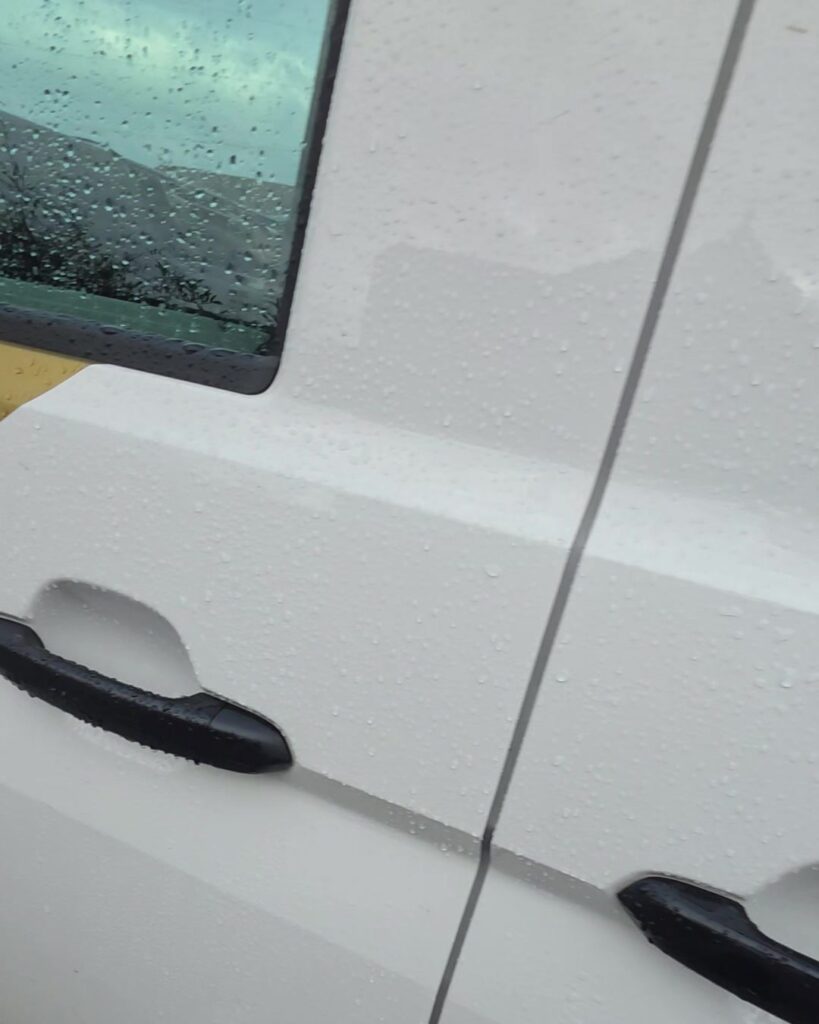
Then work around the usual trouble spots: roof vents, window rubbers, the sliding door and the tailgate. Just Kampers reports T6 and T6.1 tailgate leaks from a dirty, worn or flattened main seal, or blocked drain holes along the bottom edge. Some owners find plugs in those holes, which trap the water. The sliding door can leak through a tired seal or blocked drain holes as well.
How to test, without making it worse
After rain, or with a gentle hose or watering can, watch those spots from inside. Do not reach for a pressure washer. The Camping and Caravanning Club warns that a powerful jet can force water under trim and damage seals. The Caravan and Motorhome Club says a high-pressure jet can damage the sealing. If you find a failed seal, get it repaired. Catching it early is far cheaper than letting it sit in the furniture.
Damp, mould and what the numbers mean
Damp is what happens when condensation or a leak has had time to soak in. Signs include a musty smell, staining or soft trim, black spotting on canvas or in corners, and cold, clammy lockers. GOV.UK says damp and mould mainly affect the airways and lungs. Dampness can raise the risk even when you can’t see mould yet. Take it seriously, clean what you can see, and fix the moisture at the source.
A habitation check should include a damp test. The Approved Workshop Scheme’s motorhome damp report uses these bands:
- 0 to 15%: no cause for concern. The report only notes readings over 15%.
- 15 to 20%: may need a closer look. Compare with the other readings and consider a recheck after three months.
- 20 to 30%: needs further investigation for possible water ingress, and may need resealing.
- 30% and above: may mean structural damage or deterioration. Get it sorted promptly.
The Camping and Caravanning Club treats anything up to 15% as normal, and says DIY meters can mislead you. A cheap meter can still flag a change over time, says the Caravan and Motorhome Club. It is no substitute for an annual check with calibrated kit. Technicians only test the inside of the habitation area.
Insulation in a conversion
Insulation helps because it warms the inside faces, so moist air is less likely to condense on cold metal. If insulation is missing, soaked or leaving gaps against the steel, damp can sit in the voids. If you’re converting, talk to your converter about insulation and a vapour control layer. On a used conversion, a damp check is a very good idea.
Putting the van away for winter
If the van is having a lie-in until spring, the Club says air circulation keeps the interior damp-free. Leave locker and wardrobe doors open. Stand cushions upright, away from the walls, or take them into the house. Keep floor vents clear. Close the windows and rooflights when you leave, so rain stays out. Pop back now and then, open everything up, and give it a blast of warm air if you can.
Don’t store the van under a tree if you can help it. Leaves and sitting water do the roof and the seals no favours. Book the annual service, damp check included, while workshops are quieter.
A quick damp checklist
- Keep a little heat on and some ventilation open, even when it’s cold.
- Use a roof vent or window when you cook, and never use the hob as a heater.
- Dry wet kit outside the living space, or in an awning.
- Fit snug external screens on the cab glass if you can.
- Don’t rely on moisture-absorbing crystals while you’re living in the van.
- After rain, check the pop-top canvas, roof vents, window seals, sliding door and tailgate drains.
- Never pressure-wash the seals or the canvas.
- Wipe wet windows in the morning.
- Book an annual habitation damp check, and don’t panic at a reading under 15%.
Bottom line
Campervan condensation is normal in a British winter. You breathe, cook and dry kit in a small, cold shell. Heat plus ventilation beats sealed-up misery. A properly fitted diesel heater warms the van without adding a load of extra moisture. Crystals won’t keep up while you’re in it. If the same patch comes back after rain, treat it as a leak. Check the canvas, seals and drains, and leave the pressure washer in the shed. Get a proper damp meter reading at the annual habitation check, and keep the van aired in storage. Then the only thing crying in the morning should be the kettle.
Warm, dry van sorted? Bring it to the field. Tickets for Dubbed Out 2027 go on sale through Ticket Tent on 31 January 2027. Newsletter sign-ups get early access. Join the newsletter for early tickets. Got a hard-won damp tip? Share it in the Dubbed Out Facebook community.
