

Dark by half four, van on the drive, and every passing torch looks like it’s taking a bit too much interest. Campervan security is not about wrapping the poor thing in a chain-mail duvet. It’s about making your VW more trouble than the one next door. Locks, habits, a bit of kit, and a bit of common sense will do more than any scary story. Here’s how to lower the risk of theft and break-ins, at home and on the road, especially once the nights draw in. For the trip itself, see our winter campervan camping guide.
Why campervan security matters on dark winter nights
The Camping and Caravanning Club puts it plainly. Thieves will see an opportunity whether your van is worth £25,000 or £1,000. A tired T4 with a kettle in it is still a prize if you leave the door on the latch.
Winter makes the easy mistakes easier. The van sits in the dark while you’re at work or in the pub. A quiet car park feels emptier after the clocks change. And a thief doesn’t only wait until the van is in storage. The Club says it’s vulnerable at all times, even when you stop for a cup of tea at a motorway service station.
You don’t need a horror list of “worst areas”. You need layers. Secured by Design, which works with the police on security standards, says not to treat each measure in isolation. Combine physical locks with alarms, trackers and boring everyday habits.
The simple stuff first
Lock the lot, every time you walk away. That means doors, windows, rooflights, the gas locker and any external lockers, because those can lead into the living space. Avon and Somerset Police and Secured by Design both bang on about this, and they’re right. The sliding door is a lovely thing until you leave it popped while you grab a sausage roll.
Clear the cab. Laptops, purses, tool bags, charging leads and the good Bluetooth speaker are a shop-window display. Hide them or take them with you. Don’t leave the V5C, insurance papers or spare keys in the van. They only help someone sell it on.
Drop the blinds or curtains when you leave it, and when you’re asleep in it on a dark night. Secured by Design says potential thieves may hesitate if they think someone is sleeping inside. On a winter driveway, a lit approach and shut gates also help.
Keys, fobs and that relay trick
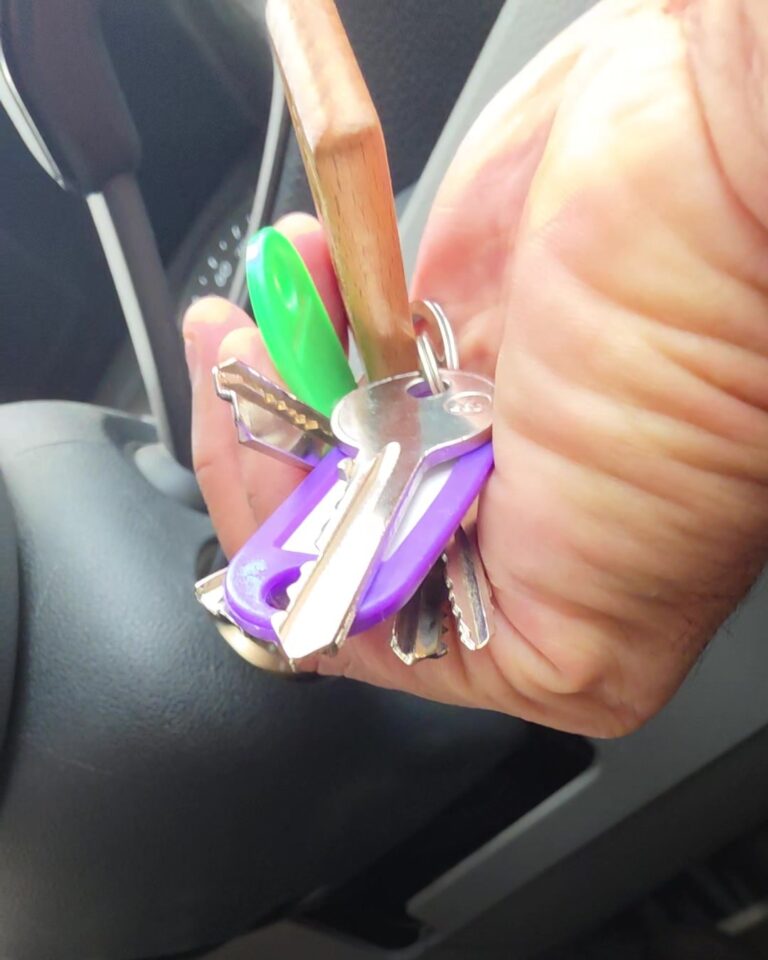
Never leave the keys or the fob in the van, even for a moment. Secured by Design is blunt: a common way to steal a vehicle is to take the keys from inside it. At home, keep them well away from doors, windows and the letterbox.
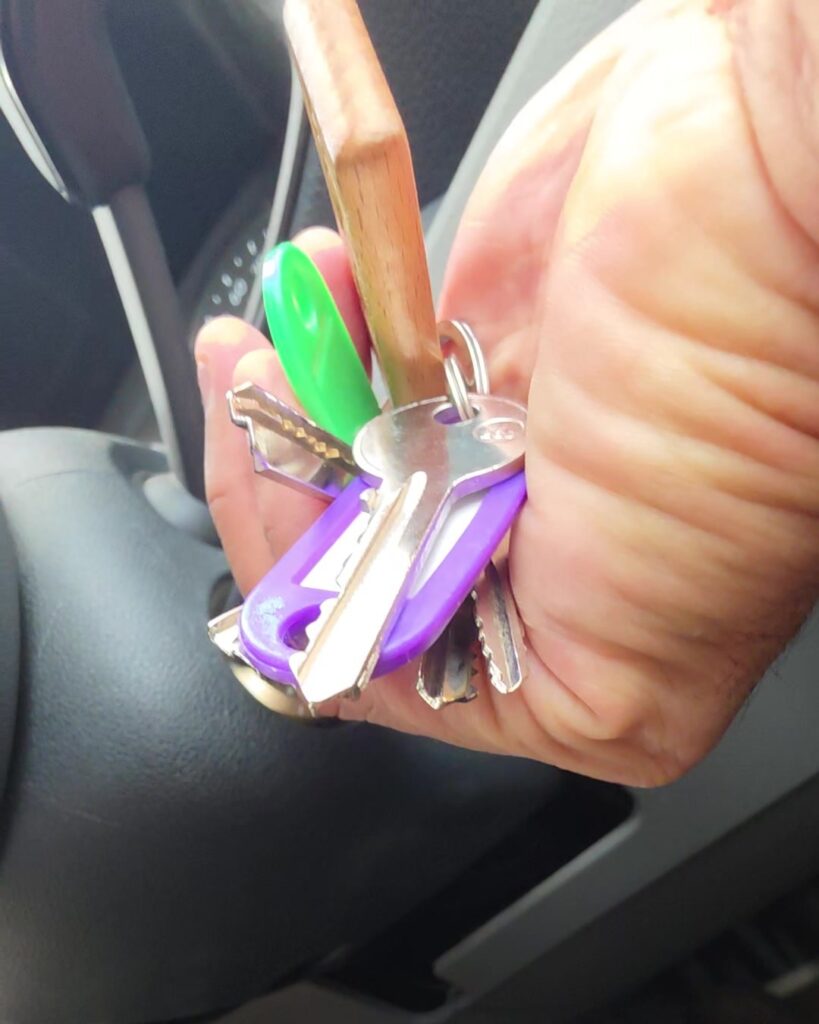
If your van unlocks or starts when the fob is merely nearby, it can fall for a relay attack. Thieves use kit to extend the fob’s signal from your hallway to the driveway. The Camping and Caravanning Club says a Faraday pouch, the kind that blocks the signal, can stop this. Test the pouch now and then, because a tired one is just a posh sandwich bag.
If you’ve got a swivel cab seat, Avon and Somerset Police have a nicely cheeky extra. Turn it to face the back and lock it there with a decent padlock or chain. It gets in the way of anyone who fancies a drive.
Visible locks that slow a thief down
Electronic kit is useful. A big obvious lock on the steering wheel is useful too, because it tells a passer-by this one will take time. The Club calls a steering wheel lock a good starting point and a very visible deterrent. Look for a longer lock made for the more open cab in a motorhome or campervan.
Pedal locks, often called a clutch claw, do a similar job on the pedals. On a driveway, a ground anchor or a security post adds another obstacle. Locking wheel nuts help against a quick wheel swap. For a bigger camper, some owners add a wheel clamp. Use one you will actually fit, because a clamp in the shed is just a very expensive doorstop.
Buy quality. The Camping and Caravanning Club only recommends Sold Secure approved products for mechanical locks. Sold Secure and Secured by Design are the marks the police point to. A thick lump of steel is worthless if a cheap lock gives up in a minute, as the Club warns.
None of this is a magic spell. The aim, says the Club, is to deter the opportunist or slow down the one with a bigger toolbox, so they go and look for easier pickings.
Alarms, immobilisers and trackers
Most modern vans already have an immobiliser. That’s Thatcham Category 2 kit in insurance language: it helps stop someone driving off, but it does not shout if they break in. A Category 1 system combines an immobiliser and an alarm. A Category 2-to-1 upgrade adds the alarm if you already have a decent immobiliser. The Camping and Caravanning Club and Thatcham’s own listings use those grades.
Trackers are about getting the van back. Thatcham Category S5 covers vehicle tracking with 24/7 monitoring, using GPS. Category S7 covers asset location systems, also with 24/7 monitoring, that can pinpoint the van. The Club says Thatcham approval needs a 24/7 monitoring centre, and that cheap trackers are unlikely to get a police response. Hidden and professionally fitted is the point. Stickers on the window can still help, as long as the box itself stays out of sight.
An alarm that cries wolf every time a fox walks past will make you popular with nobody. Fit a decent one, use it, and keep any tracker subscription paid up.
Where you leave the van
At home, park nose-in so it is harder to tow off the drive. Avon and Somerset Police also suggest putting the steering on full lock, closing the gates, and taking valuables, documents and spare keys with you. A bollard or post is a very visible “not tonight” if you haven’t got gates.
Away from home, treat a quiet lay-by on a long winter night with more care than a busy campsite. Lock up as if you mean it, even if you’re only walking to the pub. Our guide to overnight campervan parking is about being a good van neighbour. The same trip is a good time not to gift-wrap the van for anyone wandering about in the dark.
If the van is having a winter lie-in, look at the security of the place you leave it: lighting, gates, fencing, who can get in. The Club points to Caravan Storage Site Owners Association (CaSSOA) sites. CaSSOA grades them Gold, Silver or Bronze for the level of security. Check your insurer covers that address, and don’t leave a van full of kit “because it’s only in storage”. Take the valuables out. While you’re at it, keep the inside aired, as we said in our guide to campervan condensation, damp and leaks.
What insurers actually look for
Security is not only about the van. It’s about the policy too. Our campervan insurance guide already flags this: alarms, immobilisers, trackers and secure overnight parking often affect the quote. Fit what you can, then declare it honestly.
Some specialist insurers offer discounts for approved alarms, trackers or a visible lock. Higher-value vans may have to have certain devices fitted before they will cover them. The rules vary, and they change with the value of the van, so read your own schedule. Don’t guess, and don’t claim a tracker you cancelled last spring.
If someone takes it anyway
Hope for the best, and make it easier to get the van back. Take clear photos from several angles, including any odd dents, artwork or roof kit, and keep a note of the VIN or chassis number. Avon and Somerset Police also suggest video, and markings that help identify the van if the plates have gone. Forensic marking, with a sign in the window, can put a thief off and help the police later.
Some leisure vehicles use identification schemes such as VIN Chip. A self-build Transporter still has a VIN on the V5C. Keep that document out of the van. If the worst happens, tell the police and your insurer straight away, and give them the photos and numbers.
A quick campervan security checklist
- Lock doors, windows, rooflights, the gas locker and external lockers, every time.
- Take keys, fobs, documents and valuables with you. Never leave a spare set in the van.
- Keep fobs away from doors and windows, and use a Faraday pouch on a keyless van.
- Fit a visible Sold Secure or Secured by Design steering wheel lock, and add a pedal lock or post if you can.
- Consider a Thatcham Category 1 alarm and a monitored tracker, and keep the subscription live.
- Park nose-in at home, steering on full lock, gates shut, driveway lit if you can.
- Close the blinds on dark nights.
- Declare the kit to your insurer, honestly.
- Keep photos and the VIN somewhere safe, not in the glovebox.
Bottom line
Good campervan security is mostly a faff, and that’s the point. Make the van slower to steal than the one that still has a laptop on the dash. Lock everything, hide the tempting stuff, keep hold of the keys, and add a visible lock plus a proper alarm or tracker if you can. Watch where you leave it on those long winter nights, and tell your insurer the truth about the kit. Then you can get on with the important business, like putting the kettle on.
Van still where you left it? Bring it to the field. Tickets for Dubbed Out 2027 go on sale through Ticket Tent on 31 January 2027. Newsletter sign-ups get early access. Join the newsletter for early tickets. Got a security trick that actually works in the real world? Share it in the Dubbed Out Facebook community.
